
Listen to this episode of The Food Blogger Pro Podcast using the player above or check it out on Apple Podcasts or Spotify.
This episode is sponsored by Clariti and Raptive.
Welcome to episode 590 of The Food Blogger Pro Podcast! This week on the podcast, Bjork interviews Yvette Marquez.
Last week on the podcast, Bjork chatted with Justin Ellen. To go back and listen to that episode, click here.
Building a Sustainable Creator Business Around Family Recipes with Yvette Marquez
This week, we are welcoming back Yvette Marquez to the podcast to share how she’s built a sustainable creator business around family recipes, storytelling, cookbooks, and brand partnerships. She walks through what her work looks like today, from updating older blog posts and developing her next cookbook to resharing classic recipes in new formats. She and Bjork dig into why your archive can be a long-term business asset, which means you don’t have to keep coming up with brand-new ideas all the time — a game-changer!
Yvette will also share how Facebook, Substack, virtual assistants, business managers, and behind-the-scenes recipe development all contribute to her business. Her advice for new creators: choose authenticity over perfection, invest in the skills and people who support your strengths, and build a business on genuine stories and audience trust!
Three episode takeaways:
- Treat your archive as a long-term business asset: Updating older posts and resharing classic recipes in new formats can keep your business growing without having to worry about coming up with a constant stream of brand-new ideas.
- Diversify your platforms and income: With AI overviews and declining search traffic, relying on a single platform or revenue source is a gamble. Yvette shares how Facebook, Substack, and other channels each play a role in her business.
- Build around your lived experience: Prioritize genuine stories and audience trust over perfection, and invest in the skills and people (like virtual assistants and business managers) that support what you do best.
Resources:
- Muy Bueno
- Muy Bueno — Yvette’s cookbook!
- Hippocrene Books
- The Diary of a CEO — YouTube
- MKBHD
- GRO
- Meta One
- Cocina to Career — Yvette’s Substack!
- Google Isn’t Sending You to Recipe Blogs Anymore… Here’s What That Means — Substack
- Spoiler Alert: My Cookbooks Don’t Pay the Bills — Substack
- Show Me the Money: How I Actually Make a Living Online — Substack
- What My Analytics Told Me About Food Blogging in 2026 — Substack
- From My Grandma’s Stove to the Age of AI — Substack
- Episode 420 of The Food Blogger Pro podcast: ChatGPT, Substack, and the Changing Landscape of Food Writing with Dianne Jacob
- Episode 566 of The Food Blogger Pro podcast: What Food Bloggers Need to Know About AI Search and the Fight for Fair Traffic with Adam Gallagher from Inspired Taste
- Stacked Red Enchiladas — Muy Bueno
- Follow Yvette on Facebook, Instagram, and YouTube
- Join the Food Blogger Pro Podcast Facebook Group
Thank you to our sponsors!
This episode is sponsored by Clariti and Raptive. Learn more about our sponsors at foodbloggerpro.com/sponsors.
Clariti is a content organization and optimization platform that helps you uncover SEO insights and monitor performance improvements by analyzing your WordPress and Google data in real-time — so you can audit your content, understand performance, and see real opportunities instead of guessing.
And it doesn’t stop at insights. Clariti helps you turn what you’re learning into actual projects and tasks — so you can go from analysis to action and actually get stuff done.
Go to clariti.com to learn more.
And, if you’re a Mediavine publisher, Clariti has a dedicated partnership just for you. Just go to clariti.com/mediavine to see what’s included.

Thanks to Raptive for sponsoring this episode!
Building a creator business isn’t getting any easier. Between AI, constant platform changes, and the pressure to keep growing, it can feel like you’re running just to keep up.
That’s why we’re excited to partner with Raptive. Raptive works with thousands of the web’s leading independent creators—including us—to help them earn more, grow smarter, and build sustainable businesses for the long term.
They combine industry-leading advertising with personalized guidance, data-driven insights, and a team that’s constantly helping creators adapt to changes in search, AI, and the broader digital landscape. They’re also leading the charge to protect creator content and advocate for a future where independent creators can continue to thrive.
And now it’s easier than ever to join. If your site gets at least 25,000 monthly pageviews, you can apply to become part of the Raptive creator community and get support that’s designed to grow with your business.
To learn more or apply, visit raptive.com/fbp.
Interested in working with us too? Learn more about our sponsorship opportunities and how to get started here.
If you have any comments, questions, or suggestions for interviews, be sure to email them to [email protected].
Transcript (click to expand):
Disclaimer: This transcript was generated using AI.
Bjork Ostrom: Yvette, welcome back to the podcast.
Yvette Marquez-Sharpnack: Thank you, Bjork. Excited to be here.
Bjork Ostrom: Yeah, we’re gonna be talking about what it’s like to have a creator business. I think one of the things that people will be interested to hear about from you, and this was actually just today, I had a text from a friend, had a conversation a few weeks ago. A lot of people are thinking about how do I build a sustainable business? How do I build a business that is equivalent to what it would be or more if I had a job, but then you get some of the benefits. of an entrepreneurial life around flexibility, autonomy. You’ve done that. You’ve been able to consistently create six figures or more from your business. And I think that’s really the sweet spot for people where they’re like, I don’t need to make a million dollars a year. I don’t need to make two million dollars a year, but I need to make enough to sustain myself. And I also would love if that could be within the context of being an entrepreneur. You’ve figured out how to do that. We’ve had a conversation four years ago a little bit of what that looks like. We’re going to get an updated conversation today. But tell me a little bit, give me a lay of the land right now for you. What does it look like for you as a creator day in, day out? You know, you’ve you’re juggling a lot of things, life, family. but what does it look like for you to run this business day to day?
Yvette Marquez-Sharpnack: Yeah, it’s funny that you mentioned that about like, I just had a crazy nightmare the other night that that I woke up in the morning thinking that I got laid off of my job. And I was thinking, Yeah. And I literally Yeah. And when I woke up, I was like, Do I have a job? Like it really felt so real. And and then I just woke up being so grateful and so thankful, thinking that never in a million years would I have ever thought that I can build a business sharing
Bjork Ostrom: And you were like, Wait a minute, I’m my own boss.
Yvette Marquez-Sharpnack: my family’s stories and my family’s recipes. So it was just like a big, you know, you forget. I think we were in this world so long that you just forget how pretty blessed we are to be able to do this. And no matter if I would have stayed in my career as a graphic designer, would I have been able to make the income that I’m making now? You know, no matter if I was a manager or whatever. So so yeah, I’m just very thankful that I am able to make the income. Yeah, it’s not million dollars or anything like that, but you know, it’s more than I think I could have ever done in my
Bjork Ostrom: Yeah.
Yvette Marquez-Sharpnack: field. So
Bjork Ostrom: Yeah, for sure. I think about it sometimes like I think we’re in this we weird world where you have these comparisons of people who are making an an a really incredible amount of money doing what they’re doing. and but realistically it’s like, man, there are thousands, tens of thousands, I don’t know, creators who are kind of in this realm who are making probably comparable salaries to kind of the upper
Yvette Marquez-Sharpnack: Mm-hmm. Mm-hmm.
Bjork Ostrom: Echelon of careers, attorneys, doctors, dentists, you know. and they’re able to do that as creators. even just today, this morning, I was listening to a podcast interview. there’s a great podcast called The Diary of a CEO. He interviews multiple different people from multiple different industries, and they’re talking about this evolution of AI and how AI will switch and replace and change jobs. And the interviewer, his name is Steven, asked. The person he was interviewing, David Freeberg, said, What do you think’s gonna what are the what are jobs gonna look like? What is that what what do you think is gonna happen? He said, I think there’s gonna be a ton of media, and I think that creator businesses are a great business to be in, which is interesting because when we’re in it, you hear a lot of people being like, Wait, I feel like AI is gonna take this away. And I think that’s true for everybody in every industry. But really, I think there are some incredible advantages that exist within this business. and
Yvette Marquez-Sharpnack: Yes. Mm-hmm.
Bjork Ostrom: Like you said, you’re able to lift the ceiling on what your earnings would be while also doing something that’s really meaningful. So what does that look like for you today? You can talk a little bit about maybe functionally, day to day, what are you doing? What are you spending your time on, which then drives kind of the economic engine of your business?
Yvette Marquez-Sharpnack: Mm-hmm. Yeah, today I’m really focusing on just updating blog posts and just really, you know, not only making them user-friendly, but now we gotta talk to AI as well and to figure out how how we’re gonna stand out when it comes to that. So I’ve always since the beginning of blogging was always story driven. And so now, you know, it it took me so long to understand SEO and never did I even want to go there. And so then I started learning SEO like more in 2020 and incorporating a lot of that. And so now I’m kind of going back to where I started. So I’ve been going into blogs, blog posts, recipes, and trying to figure out why it is that mine is different? Why is it not like what is chicken thinga?
Bjork Ostrom: Mm-hmm.
Yvette Marquez-Sharpnack: What makes mine special or what makes it different? Why is the friend who gave it to me, you know, that special memory of, you know, why how the first time I tasted it and how I used her recipe and changed it up? So just trying to add a little differentiator than versus I think there’s so many recipes out there, but they don’t have those stories. Again, do people always read those? Maybe not, but I think when it comes to the AI world, maybe. They will be ranked because they do have a little different take on them. So I’ve been doing a lot of that, just updating blog posts. and I’m also working on my manuscript for my next cookbook. So it’s gonna be called The Best of Muy Bueno, and that’ll be published in fall of 2027. So I’m actually doing a lot of writing for that. And so it’s basically gonna be by the time that one’s published, it’ll be 15 years. Since my first cookbook was published, which was also called Muy Bueno. And so this one, the way this one started, because after writing my last book, Muy Bueno Fiestas, I was like, okay, I’m done. Publishing books is the hard work. Never do I want to do this again. But but in talking to my publisher, I was saying, how can we republish the first cookbook as hardcover again? Because it was a paper, it’s in paperback, still does very well. but the
Bjork Ostrom: That’s it. Yeah, never again. Mm-hmm.
Yvette Marquez-Sharpnack: Hardcover was just a limited edition. So I wanted to figure out how to republish it as a hardcover. And she’s like, well, how about we like redo it and like revamp it? And, you know, and I was then I got reinspired. It’s like, yes, and I want to do this and I want to do that. So I’ve always wanted to write a a book about Mexican remedies, like home remedies that I grew up with, my grandma always doing. So she’s How about we add that in this chapter in this new book? So it’s gonna be a mix of basically all my Best family recipes plus some home remedies and traditions that I grew up with. So I’ve been working on that. And and so I’m working with a small publisher called Hippo Creamy, and who’s my very first publisher. And so I am working with my photographer in-house, and we’re shooting all the photos. So it’s not like a fancy New York studio or anything like that. So I’m very hands-on trying to think of the vision of the book. and and the story and being that I was a former graphic designer, just kind of the layout working with a graphic designer. So it’s very hands-on. So I really like that creative aspect. So that’s what’s been keeping me very busy is the cookbook and just updating blog posts.
Bjork Ostrom: Yeah. It’s I I think there’s this interesting evolution that exists for creators where slowly over time, especially creators in the recipe space, just because it’s you have more of an archive of content, you have a portfolio of content, those can continue to serve you over time versus I think of MKB H D who’s like a tech blog reviewer, not a blogger, he’s a YouTuber and he re reviews tech, but like he’s always having to review the lightest thing. But in our world we have this great advantage where we can
Yvette Marquez-Sharpnack: Mm-hmm.
Bjork Ostrom: pull from this archive of content. And it sounds like even the cookbook is a little bit of a version of that where you have this already pre-existing content that is still valuable. It’s actually one of the things that I think is one of the best use cases of AI for us when we have an archive of content is anytime that, you know, we talk a lot about this idea of context. Anytime that you can build context into AI, it’s going to get better. So having your database of videos, having your database of recipes, having all of that available as a resource, I think is super smart. and just this the evolution of a of a creator being when you first start you’re like hustling, you’re creating new content, you’re publishing a new blog post every week. But at some point you start to introduce older content and updating it. And for a lot of people who have been creating for a long time, they’ve made that transition to kind of viewing their content more as an archive and calling back to that. How much new content are you publishing versus just updating old content now? And what does that look like for you in terms of promoting that older content across social platforms and email?
Yvette Marquez-Sharpnack: Yeah, lately, I mean truthfully, I haven’t done anything new when it comes to the blog. I’ve just been either recreating it with a new video and sharing that on social and resharing it. I mean what’s nice about the Mexican recipes that I share, they’re classics. You know, they’re traditional, they’re home cooking, they’re the you know Comfort food. So it’s like, I feel like no matter how many times I share it. I remember I listened to one of your episodes and you talked about like how commercials run over and over again. And nobody’s like, my God, I already’ve seen that commercial. It’s like, I’ve seen that commercial. Maybe I’ll try it this time, you know? So, so that was yeah. So it’s like I was like, that’s a great reminder for me that no matter how many times I share it, it’s still new to somebody, or people are gonna.
Bjork Ostrom: After the tenth time that you see it.
Yvette Marquez-Sharpnack: are still engaging and saying, my gosh, I’ve made that recipe over and over again and I love it. And it’s a classic people aren’t like getting ex you know, sick of them. So that’s what I keep reminding myself is just to share it in a different way, whether it’s on my Substack or whether it’s on a new video. Or but as far as like developing new recipes, I haven’t done that recently. It’s just been more trying to figure out creative ways of how to reshare what I already have. Because we have, like you said, a library of
Bjork Ostrom: Yeah.
Yvette Marquez-Sharpnack: Amazing content already.
Bjork Ostrom: Yeah. What are you finding to be the most impactful social channels? So, you know, one of the things we think about, we have this hub, and the hub is the website. The website is the main monetization mechanism for us. It’s where we make the majority of income for pinch of yum. and then around the hub is discoverability. So it’s like people discovering the hub. They’re not gonna just it’s not like you’re walking down the streets of New York and you pop into a store, like
Yvette Marquez-Sharpnack: Mm-hmm. Mm-hmm.
Bjork Ostrom: People aren’t going to just randomly come across it. You really have to help people discover the content. You know, traditionally, one of the most effective ways to do that has been SEO, still the main driver of traffic for a site like Pinch of Yum, but becoming increasingly less and harder. But, you know, we get these updates. I built in a little like for Raptive, and Media Mind might have this as well. There’s API access. And so we built this little Slack.
Yvette Marquez-Sharpnack: Mm-hmm. Mm-hmm.
Bjork Ostrom: Bot that does like a comparison of like here’s how much you earned this month versus last year. So it does that on the first of every year. We’re recording on the first. You know, I saw this month. Hey, we earned more from the site in August of this year than we did last year. And search traffic is down. That means that content is having to get discovered in some other way. there’s a lot of different ways that creators are getting creative around how to find other ways.
Yvette Marquez-Sharpnack: Yeah. Mm.
Bjork Ostrom: for their content to be discovered. What are some of the ways that you’ve figured out that have been most effective? It could be, you know, social platforms, but maybe there’s some other ways as well that you’ve discovered to promote your content and to help people discover it.
Yvette Marquez-Sharpnack: Yeah, I have a a love hate relationship with Instagram. It’s you know, I feel like that is a whole other platform in itself that it’s where you have to be really creative to stand out. but Facebook has been really good to me. So you know, I think people are just engaging on Facebook and I see the traffic from it. So, you know, besides Google, Facebook is my number one, my number two for traffic, which is great because you know, I think it’s at least it’s nice to see it back. You know, I feel like for a while it went down and
Bjork Ostrom: Mm-hmm. Yeah. Mm-hmm.
Yvette Marquez-Sharpnack: And so I I just feel like Facebook, there’s so many people who have been following me from the beginning. So it’s nice that they’re still there. But then there’s a lot of new people that are finally joining in and and engaging on that as well.
Bjork Ostrom: Talk to me about Facebook. It’s one of the things we’ve been thinking about a lot for Pinch of Yum. You know, it’s also a similarly important platform. I would say it’s surpassed Pinterest in terms of like our focused and in in interest and the benefit of it as a platform. Because two parts. One, because you’re able to earn on the platform itself. So is that something that you’re doing? And can you talk a little bit about what you’ve learned in that process? Like you would with YouTube, you can earn from Facebook, they actually pay you.
Yvette Marquez-Sharpnack: Mm-hmm. Right. Mm-hmm. Yep.
Bjork Ostrom: But then also not only that, but it also then can send traffic to your site through the links that you post. So what’s been working well for you on pa Facebook and what’s your posting frequency? tell us a little bit about that.
Yvette Marquez-Sharpnack: Mm. Yeah, so I mean, with that in mind, I should be more motivated to put post more videos on Facebook because right now I was invited to like I think it’s like 15 reels per month and you qualify for an extra $300 or something like that. Yeah. And so yeah, so it’s nice just to do that because it’s a good incentive. but then you’re I mean, then you’re also getting the traffic. So it’s nice having that.
Bjork Ostrom: Yeah, they give you bonuses sometimes, yeah.
Yvette Marquez-Sharpnack: And it’s also a good reminder for me, like, okay, I haven’t posted a video recently. so I need to do that. But but yeah, on Facebook I post collages, which have been working lately. So it’s just, you know, the photo with the list of ingredients in the image. So it’s just like a graphic image and then, you know, comment recipe. And I know there’s a lot of people are like, if you put the URL in the caption, you’re not getting that. But I’ve always done that. And because I that I know of, I feel like there’s no other way to do it versus manually having to go in there and put it in the comments and doing all of that. I just don’t didn’t want to babysit it. So I just put it in the caption and and it works. It’s you know, I’m I haven’t tried it long enough to see not doing that if it would work. It probably would, but but
Bjork Ostrom: Mm-hmm. Yeah.
Yvette Marquez-Sharpnack: It works fine and I feel like my audience is trained to to say, Okay, I want the recipe and they just type recipe and they get the the DM and then it’s just funny because it’s some people like, What is DM? Or like or you know, like or people s I look on Facebook and they’re Yeah, and then or I see on other Facebook pages that they say recipe and then they don’t have that automation. So it’s like four recipes. Yeah, so it’s
Bjork Ostrom: Yeah. There’s some education that exists with it. People are trained to do it, yeah, everywhere. People are just spamming the internet with recipe.
Yvette Marquez-Sharpnack: Yeah, yeah, yeah. So so it’s nice to see that I think the average user who’s on Facebook who wants recipes knows that, you know, somehow they get that DM.
Bjork Ostrom: Mm-hmm. Yeah. I think for a lot of Pinch VM content we’re actually doing both. Like we don’t necessarily prompt people to say recipe always. Sometimes we’ll do that. we’ll include the link and then we as kind of a catch catch all, we’ll include the ability for somebody to get a DM if they comment recipe. What are you using for that in terms of that flow? Is that grow or many chat or
Yvette Marquez-Sharpnack: Uh-huh. Yeah, I was gonna grocer’s list, but yeah, growth. Mm-hmm.
Bjork Ostrom: Yeah, grow.co, where advisors, investors, and grow. Ben and the team there have done a great job of really building that. obviously most effective within the context of context of Instagram where you don’t have that same ability to link. But if you think of Facebook as kind of this trifecta, what ends up happening is you get the views on Facebook, you potentially get some earnings from that. They have the bonus program where you could potentially get bonuses from hitting certain goals, like, hey, post 10 reels this month.
Yvette Marquez-Sharpnack: Mm-hmm.
Bjork Ostrom: you get the traffic if you include the URL, which you can do in the caption. we used to have the ability to schedule a comment within Meta Business Suite along with the content. We can do that with photos right now at the time of the recording. We can’t do it with a reel. That ability went away. and so we can’t schedule the content with the comment. Some people can. It’s one of these weird things where
Yvette Marquez-Sharpnack: Mm-hmm. Mm-hmm.
Bjork Ostrom: Some people are reporting that they can, a lot of people are reporting that they can’t. We’re currently able to do it with with a video, but we’re not or sorry, able to do it with a photo, but not a video. But point being, you get traffic just from the click, but then you also potentially catch some interactions if people are commenting recipes. So you can see how it becomes really beneficial if you are posting consistently, getting that engagement, getting that traffic. all of that can really add up. carousels you had mentioned are doing really well, which I think is important to point out. do you try and hit a certain amount of like, hey, I’m gonna post once every day, three times a day, some people post eight times a day, or is it kind of like as you’re inspired, you’re gonna post on Facebook?
Yvette Marquez-Sharpnack: Mm-hmm. On Facebook I have a virtual assistant who does do it I think eight times a day. and so then I’ll go in there and do silly things, you know, and those are the ones who get really engaging where it’s like more personal, where you know, funny little like just something engaging, like, okay, what’s the what’s an ingredient that you like or that you hate that everybody else likes? So then people just love to talk. So just enough to get engagement, not so much to for traffic, but just to help with the Facebook algorithm. So I’ll try and do stuff like that. or I’ll share the reels. but she does like the eight posts of just images. And then if I put something on Instagram, then that cross posts to Facebook. So that’s usually when I’m posting something on Instagram.
Bjork Ostrom: Yeah. For somebody who’s interested in working with s like a a VA or an assistant in that capacity, would you have any advice for them? Because I know a lot of people get overwhelmed with the idea of, man, I need to go in and schedule eight pieces of content a day. it’d be great if somebody could help me with this. What have you found that’s been most effective in working with somebody to cue that content up on your behalf?
Yvette Marquez-Sharpnack: Mm-hmm. Yeah, I’m super thankful that I found a virtual assistant who has been working with me, I wanna say over ten years. And and it was I found her through a Facebook group of like finding virtual assistants and so it was nice because it’s people who already work with food bloggers. And so, you know, it she she just worked and she was, you know open to feedback and so we work really closely together. So I think as you know, I’ve had virtual assistants in the past with just just you don’t you don’t vibe or it just doesn’t seem right or you just have to have the constant calls like, no, remember I told you this, you know? So it wa it’s nice that, you know, she’s really educated and certain things that I’m not educated at when it comes to Facebook or You know, so it’s nice that she’s the expert in that. And so if I question something, she’s like, Okay, well this is why I’m doing this. So so it’s nice to work with somebody who who does this and who you know, you can trust who’s doing it. So so yeah, she’s she’s been great. And it’s her and her husband who work together and you know, I think they’re in Portugal or Prague, they keep they they’ve moved back and forth, but but she’s been amazing.
Bjork Ostrom: Yeah. It’s this it’s a great reminder of who not how. This idea that I think as we scale up working with other people, one of the things we need to think about is that we don’t necessarily need to be the expert in all of the things. We need to find the person, the who that is the expert and work with them towards the end goal. So in this case the example could be, hey, I want to increase my posting frequency to Facebook, grow that channel.
Yvette Marquez-Sharpnack: Mm-hmm. Mm-hmm.
Bjork Ostrom: You could figure it out on your own. Okay, what are the best practices? What do I want to be doing? You’re still probably gonna naturally do that because you’re in the world, but of being a content creator and learning about a listening podcast, whatever it might be. But then the the divide is like, then do you learn it and then actually implement it on your own and then take that on as a task? Or do you pass that along to somebody else and say, hey, I heard this thing on this podcast, could you look into it, see if it makes sense? Let’s potentially move forward with this within the context of Facebook. And then they’re the expert. They can look into it. They can do the research around it. So I think it’s a great thing if you can find that person.
Yvette Marquez-Sharpnack: Yeah, and that’s what yeah, that’s what yeah, not that’s one thing that I’m glad that I started early on. You know, when when I first started, I wanted to do video, but I didn’t want to get the cameras and the learn the editing and do all this stuff. And so I invested in my business and hired a videographer. And he would come to my home and we would do like really nice YouTube videos. And then from there I had a portfolio and was able to pitch working with brands. So I think they really liked, you know, the the quality of the videos at the time. You know, back then, you know, people wanted these professional fancy YouTube videos. And so so I always say if there’s something that you want to grow into, but maybe you’re not the expert at it, you know, to invest in your business and hire somebody who is better at it than you are.
Bjork Ostrom: Yeah, that’s great. Have you signed up for any of the like paid subscriptions with Facebook or Instagram? So I was having this conversation s with some other creators recently. There’s the meta verified, which I think you pay for verification, and then meta one, which includes some additional functionality beyond just verification. Is that something that you’ve looked into or signed up for? Or no? Okay. Yep.
Yvette Marquez-Sharpnack: I’ve heard of them, but yeah, no, I’ve never I’ve never looked into it or I don’t pay for that.
Bjork Ostrom: We just signed up for Meta Verify or no Meta One. I think Meta One is like the newer one. I would imagine eventually it surpasses or replaces Meta Verified. So we just signed up for Meta One. And I think the only way that you can get to it is within the Facebook app itself. We started with a five hundred dollar a month plan, which is crazy. Within the context of like you are paying a social media platform.
Yvette Marquez-Sharpnack: Mm-hmm. yeah. Mm. Wow.
Bjork Ostrom: And then also posting content to that platform. but there are some benefits, I think, and the platforms become important enough for us now that we really want to invest in it. And, you know, there’s like two calls a year with a meta verified or a meta one you know consultant. And I think there’s some like feature benefits that come with it. Anyways, the reason I say this one of the benefits was that you can include links within Reels. but this is just a note for anybody looking at it. I tested that last week and it’s like not like a link that we are thinking about, which would be like a link in the caption or a link in the comments. It’s like a little link that you can only see if you click into the reel and it’s kind of down below. So it’s a little bit buried. but a note for anybody who’s posting on social to potentially look into that. yet to be determined if it’s worth it or not. let’s talk about the E8 a little bit more though. Is that something that
Yvette Marquez-Sharpnack: Mm-hmm. Yeah. Yeah. I’m gonna look into Yeah.
Bjork Ostrom: you have used across multiple different social platforms for where you’re posting? Like is that person managing Pinterest? like do you manage Instagram or do they manage that as well? What does that look like?
Yvette Marquez-Sharpnack: Yeah, I used to have a separate company who specialized in Pinterest, but it was really expensive. And and Pinterest just wasn’t working anymore with all the AI that is is on there, was I just wasn’t getting the traffic enough to invest that amount. So my VA who does help me with Facebook now helps me with Pinterest as well.
Bjork Ostrom: Mm-hmm.
Yvette Marquez-Sharpnack: so she works with my Pinterest. And then I also have a VA who I forgot the it’s re like anything that I post to Instagram, she repurposes it for TikTok. So, so I have somebody who does that, but I manage my own Instagram. That’s the one that I take care of, and then I also write my own Substack page. so so yeah, as far as socials, it’s
Bjork Ostrom: Sure. Sure.
Yvette Marquez-Sharpnack: You know, I have my Facebook taken care of, Pinterest taken care of, and TikTok taken care of.
Bjork Ostrom: Yeah, that’s great. I think it’s a pretty common stack. I think a lot of creators want to continue to own Instagram as like the main communication platform. That’s true for Lindsay, I know for sure. it feels maybe a little bit more personal, a little bit more high touch. Facebook feels maybe a little bit more like transactional. You’re putting a bunch of content out, you’re hoping it’s getting discovered every once in a while, one will. so I I think it’s a
Yvette Marquez-Sharpnack: Mm. Mm-hmm. Mm. Yeah.
Bjork Ostrom: Pretty common way to approach things. you’re you have a Substack, you mentioned Substack, that’s nearly thirty thousand subscribers. Talk to me about email. How do you view Substack? How do you view email? And when did you start the Substack account?
Yvette Marquez-Sharpnack: Mm. Mm-hmm. Mm-hmm. I started Substack in April of last year. and so what I wanted for that one, it’s called Cocina to Career. So it’s basically the behind the scenes of what happens with the cookbooks, with the blog, and the business behind it. Like I love sharing that kind of stuff. I think like culturally. I just think it’s funny, like nobody likes to talk about money, but I love to talk about money. I think for me that’s like a great motivator. Like I love learning how you can make money. And so I love sharing just little tidbits because I think so many people when they know I have cookbooks, they think, my gosh, you’re you you must be doing really great. Or if my cookbooks aren’t, they’re like, how are your cookbooks selling? Like thinking like that’s how I make my money. And so so I like pulling back the curtain and sharing.
Bjork Ostrom: Yeah.
Yvette Marquez-Sharpnack: This is where and how I make the money. Yeah, the cookbooks are great and all, but that’s not a top source of revenue by any means. so I love sharing those kind of things on Cocina to Career. And so then so I have, you know, kit as my newsletter for my subscribers to my blog. and so in my kit newsletter, I always talk about my Substacks. If you want to know more about the business side of things, you know, you can read that over here. But but yeah, they’re just different, you know, on my regular newsletter, I’m talking blog, I’m talking recipes, I’m talking, you know, maybe an event if I’m at a book signing. but Substack is more business or sometimes it will be recipes. It’ll be, you know, like my, it’ll be kind of like where I I could do a roundup, you know, for Christmas. These are my top Christmas Mexican recipes. And then I will still share links to my blog. So it’s a great way to to be able to still connect the blog together with that.
Bjork Ostrom: That’s great. I’ve heard of other people kind of doing a similar thing where it’s almost like a new media channel for them where they’re not trying to figure out, okay, how am I gonna now incorporate my recipe, all my recipe content on Substack and continue to send an email with kit? It’s like, no, this is just gonna be a different way to talk about things. It was one of the things that we ran into the most when with Pinch of Yum, when I would post business related content, income report or like some random industry thing that we were learning about. Is people be like, what is like the recipe people would be like, What is this? Like so th there’d be a subsection of them that would be interested. this is super fascinating. I want to dig in a little bit more. But it felt like there wasn’t a good fit. It’s one of the reasons why we wound it down. There wasn’t a good fit for it within the context of Pinto Pyong. but to create like a new channel where you’re able to do that, I think Substack is a really great place for that.
Yvette Marquez-Sharpnack: Yeah. Mm-hmm. Right. Mm.
Bjork Ostrom: So did those thirty thousand subscribers find you on Substack and then also find you from your other email lists or are you posting social media content about it as well where people are discovering it?
Yvette Marquez-Sharpnack: initially it was a lot of my existing subscribers who I remember I had just transferred over to Raptive and I was just gonna start Substack also and I was talking to the newsletter experts at Raptive and just saying, you know, what do you do? You know, is it is it cool to send your subscribers and let them know this is what you’re doing and you want to transfer them over. And she was like, yeah, I she’s I think that’s a great idea. And then you give them an easy way to opt out. So so that’s how I started is I did add a lot of my existing subscribers. And then and then from there, you know, there’s other ways of just people discovering me what either people recommend you or On Substack posts alone that they decide to follow you and whether it’s paid or not paid. And it’s just really neat to see, you know, when people do pay a subscription, you know, they write a little note why they’re subscribing to you. So I think that’s kind of nice to see, you know, what what they get out of it and what makes it special. So it’s a nice reminder of, you know, I feel like it’s very personal. You know, there’s times you get subscribers on your blog and you have no idea how they found you or what they
Bjork Ostrom: Yeah.
Yvette Marquez-Sharpnack: what why it is that they subscribe, so it’s nice to get that little feedback for a paid subscriber.
Bjork Ostrom: Yeah. It’s one of the email hacks that I think people don’t know that you can do. We haven’t done this for PinchVM. I’ve actually never really thought about it within the context of Pinch VM until this conversation. But I have a friend who has or an acquaintance, I guess, who has a business in the finance world, super deep in the context of email as the main mechanism for monetization, working with sponsors and sending out emails. But he often talks about this idea of like if you have a list, you can load that list into a different email service provider and email those people. And so, you know, if you have ten thousand customers or people who have signed up for your email list and kit, you could download that list, upload it to Substack, and then email those people and say, Hey, I’m starting a new Substack. Here’s what it’s gonna be about. If you wanna follow along, great.
Yvette Marquez-Sharpnack: Mm-hmm. Mm-hmm.
Bjork Ostrom: If you don’t unsubscribe here, I’ll continue to post all my other content on kit. And man, for somebody who wants to build a new revenue stream, in if it is if there is enough overlap with that audience, that can be a really creative way to create additional revenue within your business. If you have an idea for what you want to post about that is similar but different, like in your case, similar but different.
Yvette Marquez-Sharpnack: Yeah. Mm.
Bjork Ostrom: and you can port that over and in my understanding is like there’s this is like that’s your list and it can exist within the context of any email service provider. Yeah.
Yvette Marquez-Sharpnack: Yeah, you own you you yeah, you own your email subscribers. Yeah. So so yeah, that was I mean, that’s a great suggestion that I tell other people. It’s like when people are like, How did you gain all these subscribers? And it’s and that’s how I started it. And so but yeah, I think it’s what I like about Substack is that it’s you don’t have to think about SEO. You can just have the passion for writing again. And that’s what I like about it, is just being able to either storytell or share.
Bjork Ostrom: Yeah.
Yvette Marquez-Sharpnack: You know, like there was an Instagram that y’all posted and it was just about income revenue and it reminded me of your days when you would do those reports. And so then that’s when I got the idea to do that on my Substack and and people love seeing that. People love learning, you know, about what is affiliate income or how what is, you know, like I think it’s you know, I think we’re live in this world that we think everybody understands how we make money, but it’s so intriguing for people who aren’t in this world.
Bjork Ostrom: Yeah, for sure. Can you talk a little bit about that post? Like what did that look like? What did you share to the degree you’re comfortable on the podcast sharing that? ’Cause I think anybody who’s listening would would kind of perk up and be interested to hear about it as well.
Yvette Marquez-Sharpnack: Yeah, I just did like a basic. Yeah, I just did like a basic pie chart of okay, this is, you know, percentage of my ad revenue. I don’t remember the numbers off the top of my head, but like say seventy-five percent of my income is from ad revenue and you know, I’m I’m not gonna add these numbers right, but you know, this w this is for working with brands and then this is books and affiliates and you know, Facebook or YouTube revenue. So it’s you know, I laid out all the numbers and just to show like, okay, yes, you can write a cookbook and it’s amazing, but that’s a very small piece of the pie compared to, you know, ad revenue or working with brands.
Bjork Ostrom: Yeah. In in the the structure though, is like Raptive Ad Earnings number one, number two brand partnerships, number three would be like affiliate? Like what did that okay, affiliate and then book royalties, yeah. Did you put like book advances in there as a number or is it more of like this is the recurring stuff that exists?
Yvette Marquez-Sharpnack: Mm-hmm. Mm-hmm. Mm-hmm. Yeah. Mm-hmm. Mm-hmm. Like book royalties or I think for that year I did just because that was the year that I published the book. And so I did at that end. Yeah. Mm-hmm.
Bjork Ostrom: Sure. It’s like this year’s earnings. Yeah. And then can you talk a little bit with the Substack account, how you are dividing up free content versus paid content and where does Substack sit in that list of like revenue that you are earning from those thirty thousand subscribers?
Yvette Marquez-Sharpnack: yeah, I would say with Substack right now is like three percent of of everything. But what’s but I in initially there was like the nitty-gritty where the money I did put that one as a paid. but now I just edit it and it’s free to anybody. So just because I hate when I go read a Substack and then somebody’s like, now only paid viewers could see this like, so so
Bjork Ostrom: Sure. Sure. That one was paid. That specific one about earnings was paid, but you’ve you’ve gone back now and so you’ve said I’m just gonna do this free. Yeah.
Yvette Marquez-Sharpnack: Yeah, that one was paid, but I actually ed edited it now. Yeah. So so anything that I’ve been publishing now is all free. and I think for me it’s more about who wanna pay or people who just want to support my Substack, not so much to get only things that aren’t gonna be I think people the the majority of people don’t understand Substack enough to know that sometimes you’re writing free content, sometimes you’re writing paid context. So for me it’s like okay, it’s just a a way of supporting my business to share what I’m sharing. And so I just have it there for free. So yeah.
Bjork Ostrom: Yeah, that makes sense. And that’s your outlet for kind of business conversations. But you’re also then top of mind. You’re in people’s inbox. It’s another channel that you can have conversations. It’s separate. So if people s unsubscribe from that, they’re not unsubscribing from your recipe content. you can cross promote and that makes sense.
Yvette Marquez-Sharpnack: Yeah. Right. Mm-hmm. Yeah. And it’s just I think a fun way to just share even, you know, more details about, you know, with your cookbook, whether it’s gonna be what why you’re writing the cookbook. I think it’s just a little you can be more storytelling in that. So I love that.
Bjork Ostrom: Yeah. It’s one of the things we hear people often talk about, which is like I appreciate Substack because I don’t need to think about SEO. I don’t need to I can I can write a story, I can structure it how I want. I don’t need to think strategically about headers, but for the sake of does it help the story or the conversation flow better? and it feels maybe similar to what a conversation on the internet would have looked like ten years ago versus today. So
Yvette Marquez-Sharpnack: Mm. Yeah. Yeah, and it’s a great community building. This like just with this podcast. You found you read the interview with Diane Jacobs that I was on with Substack and then now we’re doing this together. So I think it it’s a great, you know, business tool.
Bjork Ostrom: Yeah, yeah, for sure. so can you talk to me a little bit about AI? So one of the things that we hear a lot about is AI is this great tool, it’s super powerful, there’s a lot of things that you can do with it. but also there’s some really impactful changes that have come downstream from AI that have been negative for creators. Have you felt any of those within your business in terms of negative consequences of AI?
Yvette Marquez-Sharpnack: Mm-hmm.
Bjork Ostrom: And then are you using it as a tool that’s helpful in any ways to kind of counter that?
Yvette Marquez-Sharpnack: Yeah, I think you know, AI overviews hit a lot of people. And so my traffic dropped like thirty to forty percent because of those AI overviews or you know, whatever’s happening on Google enough to not bring me the clicks. so yeah, that has been mm-hmm. Yeah. And so that’s been hard. because
Bjork Ostrom: And that’s search traffic. Like you’ve seen search traffic decline. Yep.
Yvette Marquez-Sharpnack: you feel like you have no control over that. There’s really, you know, I’ve talked to Casey Marquee, like what what can I do? And I mean there’s, you know, some audit stuff information that he can give. And but I think for that drop it’s it’s kind of hard to overcome because you have no control of what’s happening with people not clicking. but it’s you know it’s just re-listening to the Adam Gallagher
Bjork Ostrom: Mm-hmm.
Yvette Marquez-Sharpnack: episode and how they it seems like the AI overview’s not as bad as it was when it first came out. and kind of giving back to the credit to where credit is due. So
Bjork Ostrom: Yeah. You’re speaking to the fact that so Adam was on the podcast. We had a conversation with him around the pressure that he was putting along with some other people on people inside of Google saying, Hey, you’ve got to clean some of this stuff up. For instance, one of the things he called was Frankenstein recipes, like this mashup that Google would do, oftentimes attributing a creator and saying, Here’s the, you know, lasagna recipe for pinch of yum.
Yvette Marquez-Sharpnack: Mm-hmm. Mm-hmm. Mm. Yeah.
Bjork Ostrom: And it’s like, well, it’s number one, it’s not the lasagna recipe, but number two, if it’s not the recipe, don’t attribute it to me. Like, we don’t want that attribution to the the site. And that was kind of common for creators to say that. Also, this idea that recipes would maybe be or creator would maybe be referenced within an AI overview, but then wouldn’t there wouldn’t be a prominent link. And so that was an issue. And there’s these product managers who own these products, AI overviews as an example.
Yvette Marquez-Sharpnack: Right. well.
Bjork Ostrom: And if you you can speak to them on Twitter and other platforms and say like, hey, this needs to change. and what you’re saying is some of those changes did come probably as a result of the conversations that were happening. obviously there’s still huge issues with traffic being down and AI overviews absorbing a lot of that traffic, but there is the potential for it to change for the positive, not necessarily for all that traffic to be gained back, but for some product.
Yvette Marquez-Sharpnack: Mm. Yeah.
Bjork Ostrom: decisions to be made that credit creators in a better way. But still a huge issue and and, you know, almost universally we hear from people who are feeling the effects of that, at least people who have been creating content for a long time. somebody on the Food Blogger Pro Forums actually recently asked and they said, you know, what the question was roughly what percentage is Pinch of VM’s Google organic traffic down from its peak?
Yvette Marquez-Sharpnack: Mm.
Bjork Ostrom: And I didn’t actually know. And so I just took some time. This was actually a use of AI, a good use of AI, which is like data analysis. And so from the for us, from the peak, which would have been April of 2020, which makes sense because of COVID, which was, you know, this kind of treat crazy traffic season where traffic went way up, ad revenue went way down, but so it maybe kind of evened out, but traffic was way up. It was down sixty percent. Obviously, a lot of traffic at that point, because everybody was at home making meals.
Yvette Marquez-Sharpnack: Mm-hmm. Yeah. Mm-hmm. Mm. Mm-hmm.
Bjork Ostrom: And then I said if you’re looking at non COVID data, we’d be comparing May of twenty twenty four as kind of a non COVID peak and from there it was down thirty eight percent. So almost exactly like what you’re talking about, thirty-five to forty percent. Obviously not true for everybody, but I’ve heard from people who are down eighty percent. You know, some people aren’t down as much. Maybe some people have had some wins and maybe they’re up compared to where they were. But generally speaking, there’s this sentiment that like search traffic will be going down.
Yvette Marquez-Sharpnack: Mm-hmm. Mm-hmm.
Bjork Ostrom: So what does that mean for you? Like how do you navigate that as a creator and what do you look at in terms of replacing that traffic if that is something that’s possible to do?
Yvette Marquez-Sharpnack: Yeah, that is just scary to think because I didn’t used to rely on ad revenue. I mean, it even took me years to understand how much money you can make with ad revenue because thankfully I was working with brands already when I first started my blog. And so I think because of the relationships that I’ve built with some clients, it’s helped kind of balance that out. So, you know, there’s stuff that I work on that’s not necessarily even shown online where I can be a recipe developer for a brand to develop their cookbook, but it hasn’t it doesn’t have my name on it. But it’s because I’ve been working with that client before and they trust my recipes and they know I’ll test things that so I can work with things like that.
Bjork Ostrom: Yeah. Mm-hmm.
Yvette Marquez-Sharpnack: which might not have my name forward or anything like that. But but it’s for me it’s great revenue to do behind the scenes.
Bjork Ostrom: Yep. Yeah. It’s almost like you have your own business and then a mini agency. And the agency is recipe development. It’s the skills that you have. Your portfolio is your public content. So one of the things we often see, which is like you have people who start or a lot of times continue, but like a hundred percent of the money they are earning is labor.
Yvette Marquez-Sharpnack: Yes. Mm-hmm. Mm.
Bjork Ostrom: It you are doing a thing and you’re getting paid to do that thing directly for the thing that you are doing. Recipe development, you maybe you’re an EA, you know, maybe you’re doing video work. but eventually you when you have time in the margins and maybe you dedicate one day a week, like you’re able to build an asset. And the asset is something that continually needs to get worked on, it continually needs to get improved.
Yvette Marquez-Sharpnack: Mm.
Bjork Ostrom: But the asset decouples you from having to do labor to earn income. And so neither one is good nor bad. And I think we all have our preferences on what type of work we want to do. Some people are pure purely label labor and that feels good. Some people are pure purely asset people. I want to build an asset that kind of works on my behalf. and the more work that I do on it, the more earning potential it has. But I think it is nice to have both of those.
Yvette Marquez-Sharpnack: Mm-hmm.
Bjork Ostrom: So you can in seasons where the you don’t have as much brand work. We have a lot of people that do strictly brand work. I have a friend who does video work and he’s like, it’s great when it’s great, and then it’s scary when it’s not, because you don’t know when the next client’s gonna call, you don’t know when the next project is gonna happen. And he talks about this idea of feeling like he always needs to be hustling because the money could dry up someday. But on the other side, if you are purely asset based, especially if you only have one revenue stream like ad revenue.
Yvette Marquez-Sharpnack: Mm-hmm. Yeah, mm hmm. Exactly. Yeah.
Bjork Ostrom: If that changes, if that dips, if traffic goes down forty percent, suddenly you feel the squeeze there, especially if you’re operating at, you know, your budget. So you’re earning as much as you need, when you feel that squeeze, then suddenly it it’s not a great feeling. And so it’s nice to have these things that you can fall back on, these kind of diversifications within your own kind of work life. what have you found on the brand side of things?
Yvette Marquez-Sharpnack: Yeah. Mm-hmm. Mm-hmm.
Bjork Ostrom: that has been helpful for you to maintain those relationships long term and then how did those even come about in the first place?
Yvette Marquez-Sharpnack: I a lot of them are inbound requests that have they come in to me directly. And I’ve been working with the same business manager for like ten years. Her name’s Joanna Voss and and she
Bjork Ostrom: And she sources these leads and kind of facilitates the deals. An agent.
Yvette Marquez-Sharpnack: Yeah, she’s I mean, once they come into the inquiries come into me, then you know, then together we talk about and figure out the scope of work and and then from there she’s the negotiator. She’s the one who figures out the timeline and the gets the briefs and collects everything for our files. And and so I love that ha you know, it’s she has a small talent roster and so it’s very and she’s here locally in Colorado. And so it’s just nice to really have that open communication and to be, and there’s times, you know, I don’t even talk to the client. So they’re talking to her, figuring out the timeline, the vision. And then she’ll be like, you know, they’re very disorganized. I don’t know. And so she has a really good sense of like, okay, this is gonna take more time than it’s worth. And so I’ll be able to lean on her and be like, is it even worth it? You know, like there’s times where I’m so excited about a project and she’s They’re really disorganized, even. I don’t know if it’s gonna be worth it. You know, it’s it sounds great, but you know, so I love having that communication with her as far as, you know, not only using my own instincts but hers as well, knowing the business side and the inside of it of how communicative they are, how organized they are, how, you know, it’s just all those emails, you know, whatever it might be.
Bjork Ostrom: Yeah. Yeah. Yeah. It’s I think every creator who has done brand partnerships f for a decent amount of time probably has this story of being excited when an inquiry comes in and then being miserable three months later when you have to fulfill the deliverables and you know, there’s all these maybe nitpicky little things that people are requesting and all these issues and and so it’s nice to have somebody to totally, yeah.
Yvette Marquez-Sharpnack: Yes. Mm-hmm. And it’s so hard to advocate for yourself, you know? It’s like when you’re already in it and you’re already excited about it, but then you’re like, you didn’t tell me X, Y, and Z. But she’s really good at saying, like, look, that’s not what we agreed on, you know. So so it’s nice having that person to do that for you. And, you know, so many people ask me, Why do you have a manager? You can keep all that money yourself. But for me, it’s just sanity. It’s like, okay, I’m yes, I and 20% is a big chunk of change, but
Bjork Ostrom: Yeah.
Yvette Marquez-Sharpnack: If she can negotiate double than what I was even thinking, it’s worth it. So she’s really great at negotiating and so, you know, I love her for that. That she’s really, you know, for me it’s it’s hard to s give a number for yourself.
Bjork Ostrom: Yeah. Yeah, for sure. To not have to Yeah, it’s it’s another great example of who, not how. You you know you want to do brand partnerships, who you’re gonna work with that is gonna have the industry knowledge, it’s gonna be negotiated on your half, be be an advocate for you. super smart. coming out, g kind of closing out here, you’ve been doing this for a long time. What would your advice be for somebody who’s starting in, you know, has started within the last year? They’re new to the creator business, they’re new to the world of content creation.
Yvette Marquez-Sharpnack: Yes. Mm-hmm.
Bjork Ostrom: what would your advice be to that person who’s just getting started?
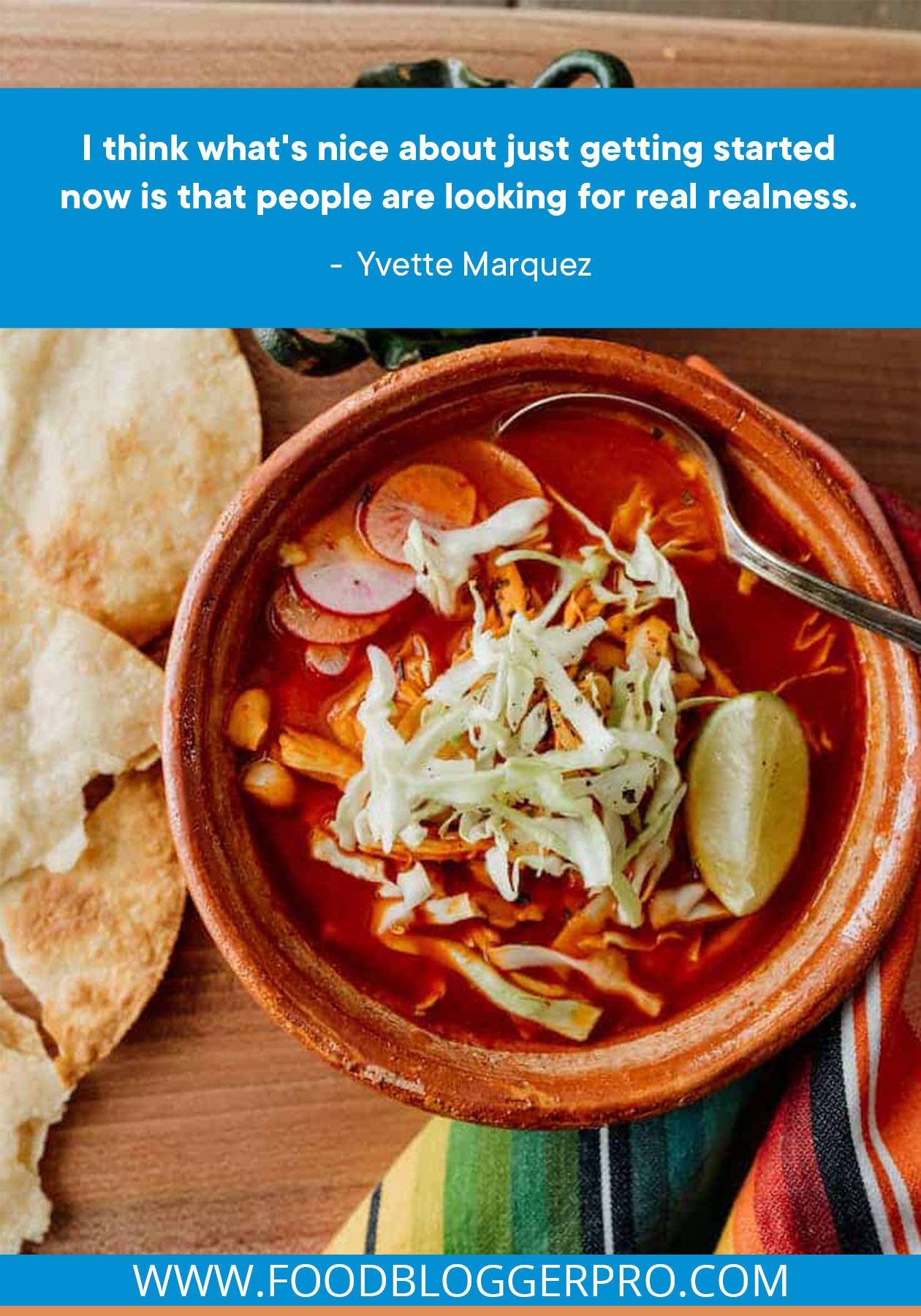
Yvette Marquez-Sharpnack: I think what’s nice about just getting started now is that people are looking for real realness. I think when we started everything was about perfectionism. I think like, you know, we tried so hard to grow our photography and grow our blogs and you know, just make everything look so perfect. And I think now everybody’s done with perfectionism and just wants real. And so I think that’s why content creators are doing so well, because you know, they’re just themselves on the camera and just showing their life and and I think people with AI and people not knowing what to believe anymore, it it shows the reality of life. And I think it’s a good reminder for us, especially me, because I am a natural perfectionist, to remember that it’s okay to do silly things and to show your real self and to, you know, show how you’re different and and you’re gonna connect with people. So I think for me, it’s like when we first started, we invested so much in our businesses. I think now with it something like Instagram or Substack, you know, they can start a full business just on those platforms alone. And and then from there decide their growth strategy.
Bjork Ostrom: Mm-hmm. Yeah, that’s great. Yvette, I know you have a book coming out twenty twenty seven, so a little early, still for anybody to pick that up. but is there anything else that you’d want to share about what you have come down the line or places that people can follow you or anything else that you’re up to?
Yvette Marquez-Sharpnack: Yeah. yeah, I think just you know, stay tuned for my upcoming book, The Best of Muy Buenos. If you love good old fashioned northern, specifically region of Mexico, I’m originally from El Paso, Texas. And so El Paso, El Pasoans are just unique in their own. You know, it’s it’s not Tex-Mex. It’s very northern Mexican and New Mexico influenced. And so I think if anybody’s from that area, you know, they’re gonna love my new cookbook. And so yeah, that’ll be out.
Bjork Ostrom: Great. What’s what’s on your site, what’s one recipe that you’d point people to that like does a good job of encapsulating what you just described?
Yvette Marquez-Sharpnack: I would say our stacked red enchiladas. You know, it’s the way we make red enchiladas is like lasagna style. You deep fry each tortilla and you stack it, you dip it in your rich homemade red chili sauce always. You’re gonna make them with your right red dry dry chili pods. You’re not buying, you’re not using chili powders you’re not using canned chila sauce, you’re using your homemade red chila sauce. And then you just simply Little bit of diced onion, some cheese, and you’re just stacking your enchiladas and they’re called enchiladas montadas. So like stacked enchiladas, and we also add a fried egg on top. So it’s very northern Mexican, unique. but yeah, my grandma made those every Friday. So that’s like that was the passion behind Muy Bueno. That’s why I named Muy Bueno, because she would always say, Siéntate a comer, está muy bueno, which means like sit down and eat, it’s very good.
Bjork Ostrom: Love it. that’s awesome. Yeah. man, that’s awesome. I love that. Yvette, thanks so much for coming on, sharing your story. Really appreciate it.
Yvette Marquez-Sharpnack: Thank you, Bjork.