When it comes to filming recipe videos, you really don’t need a complicated setup. These days, an iPhone, a tripod, and good lighting can get you surprisingly far—and that’s actually what a lot of food creators are using to create their content.

When it comes to filming recipe videos, you really don’t need a complicated setup. These days, an iPhone, a tripod, and good lighting can get you surprisingly far—and that’s actually what a lot of food creators are using to create their content.

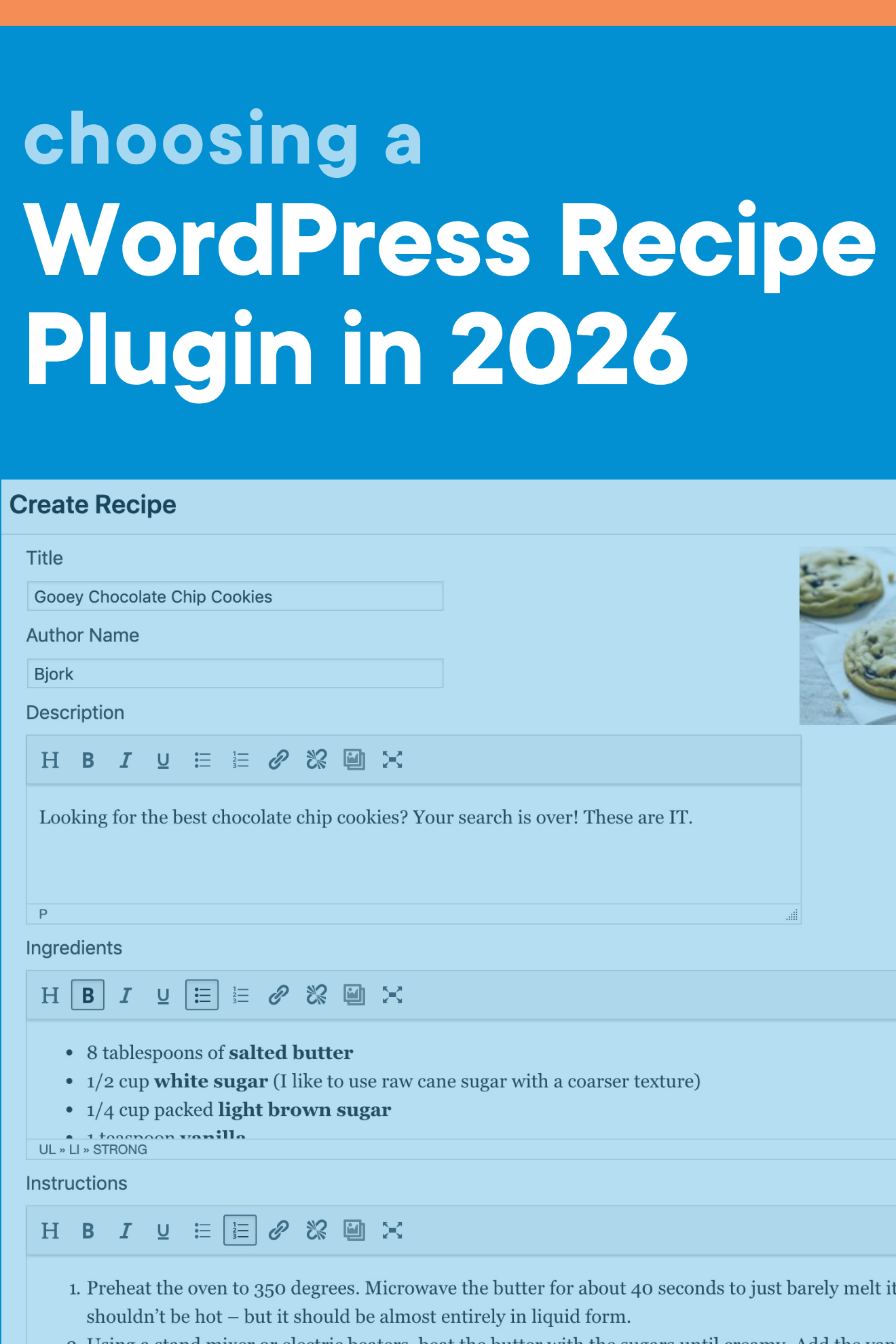
One of the most important plugins for a food blogger is a recipe plugin. Recipes are at the core of most food blogs, so as a food blogger, you’ll want to make sure you’re publishing your recipes in a way that’s helpful for your readers and for search engines to understand.
A good recipe plugin will do both, and the landscape has shifted enough since we first wrote about this that it’s worth a fresh look!
Ready to dive into the wonderful world of recipe plugins? Let’s do it!
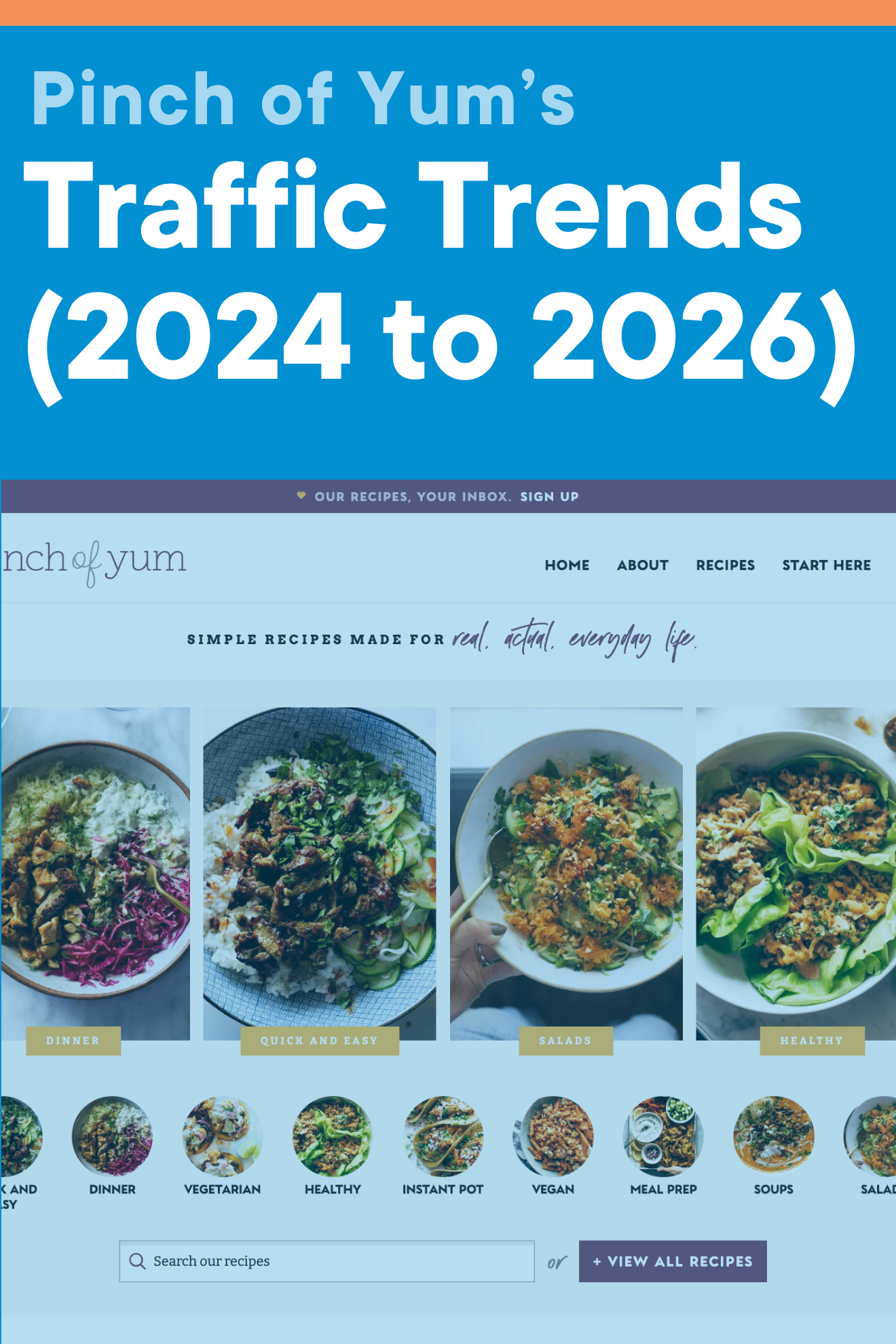
Today I wanted to walk through something I personally find so helpful when thinking about blog growth: traffic data over time.
We’re going to take a look at Pinch of Yum’s traffic breakdown in 2024 and compare it to traffic in 2026, so that we can talk about what can we actually learn from this data as food bloggers!
Now the goal isn’t to replicate someone else’s traffic sources exactly, but rather to understand the patterns, the shifts, and the why behind them so we can make smarter decisions for our own sites.

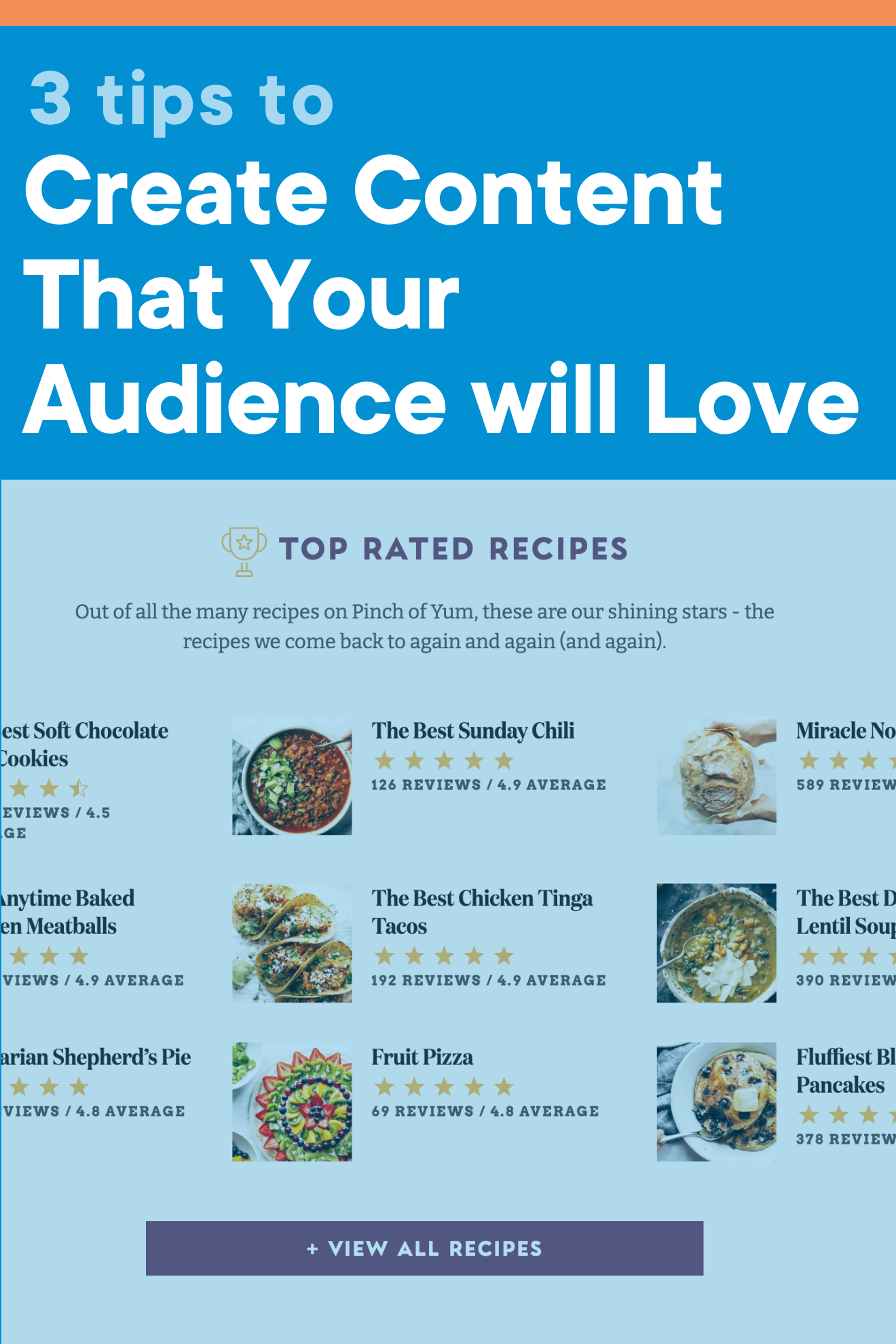
As a content creator it can be so easy to get lost in the SEO and metrics of it all. But now, more than ever, creating content that serves your audience is essential. In this blog post we share three tips for creating content that your readers want, need, and love!
It’s so important to keep a pulse on what content your readers are looking for to make sure that you’re creating valuable content that will keep your audience coming back.
For many food bloggers, the ultimate dream is to “go pro” and turn their blog into a business that can generate a full-time income. It’s possible, but it takes a lot of hard work, dedication, luck, and diversification to make that much money from your food blog. That last one, diversification, is a concept that people don’t often think about when they consider creating a full-time income from their blog.
People often use the phrase “don’t put all your eggs in one basket” when referring to diversification, but that phrase doesn’t really work for what we’re trying to communicate in this post. We like this phrase better:
Fill your empty egg carton.
Okay, we’ll be the first to admit that it’s not as catchy, but the visual of the egg carton helps to communicate the point that we’re hoping to make, which is this…
It’s really hard to create a full income from just one income source (i.e. one egg), but when you fill all of the possible income sources (i.e. openings in the egg carton), it becomes much easier to make that much money from your food blog.
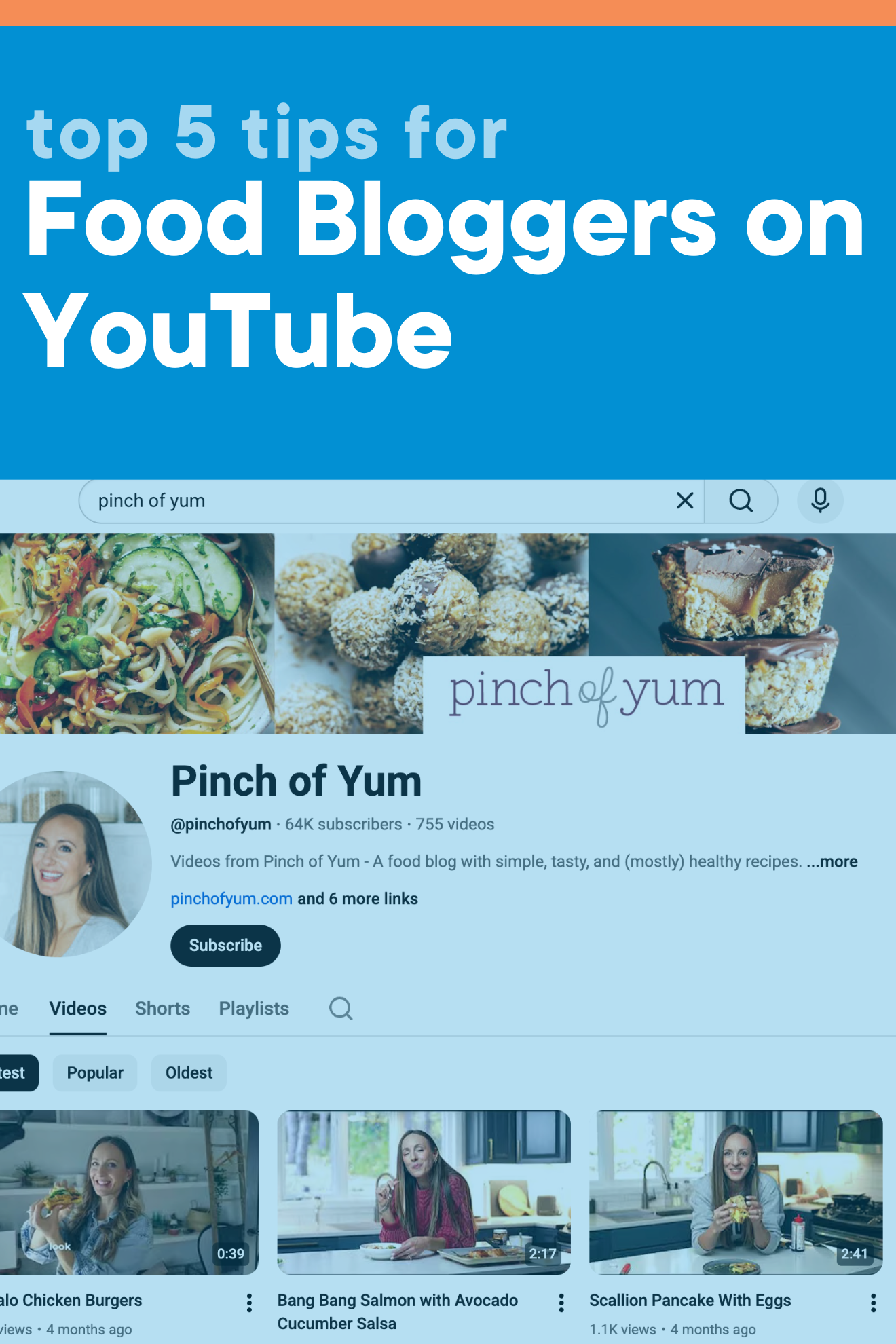
Are you looking to start sharing food content on YouTube? Have you been posting recipe videos for years and aren’t seeing any traction? In this blog post we’re sharing our top tips for food bloggers on YouTube — actionable, approachable steps you can take to grow your following and get more engagement on the platform.

There’s never been a more exciting (or more overwhelming) time to be a content creator. AI tools are everywhere — blog posts, recipes, social media captions, and even videos can be created at lightning speed with just a few prompts. While AI offers some incredible benefits, it also raises an important question for food bloggers:
How do you stand out amongst the noise when everyone has access to the same tools?
The answer? Your personal brand. Your unique voice. Readers aren’t just looking for information anymore — they’re looking for connection. 🤝
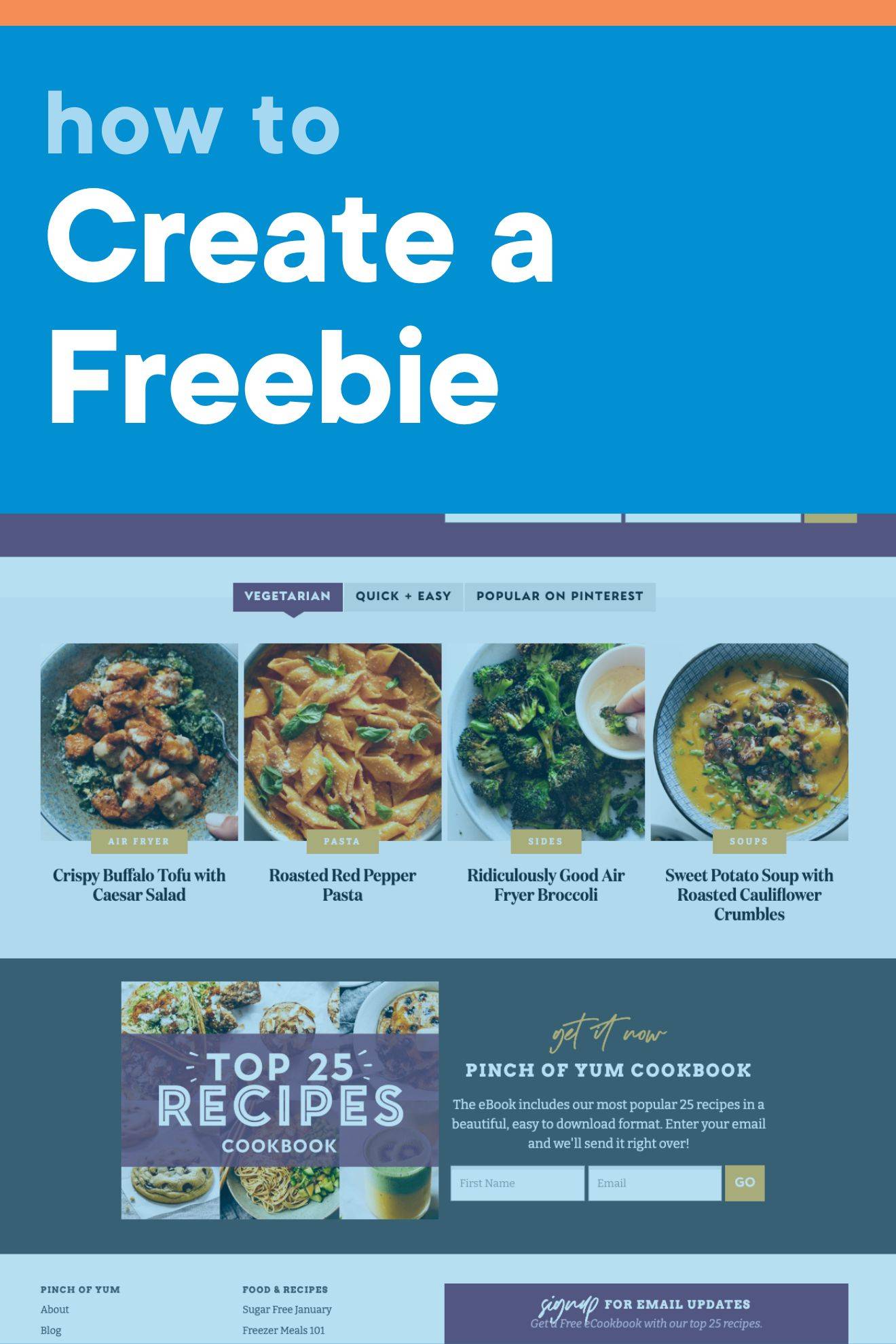
If you’re a food blogger getting started or looking to grow your audience, creating a freebie can be an incredibly powerful tool. A freebie, whether it’s a downloadable PDF, mini email series, printable, or guide, can help you grow your email list, establish trust with your readers, and offer value that brings people back to your site again and again.Unlike traditional social platforms, Substack allows creators to own their email list, communicate directly with subscribers, and build a more loyal community without relying on algorithms. Plus, it also offers a alternative to SEO and ad-based monetization, making it perfect for those who don’t want to rely on blog traffic or search rankings to earn income.
Starting a food blog can feel overwhelming. There’s no shortage of advice on how to grow traffic: be consistent, post great content, share on social media, improve your SEO… the list goes on. Even when you follow all the “rules,” you might find yourself asking:
Why isn’t my blog traffic growing faster?
This post isn’t about the usual tips and tricks. Instead, it’s about shifting your mindset — from chasing traffic to understanding the why behind what drives it. When you see the internet through the right lens, things begin to click (pun intended). Let’s get right into it!
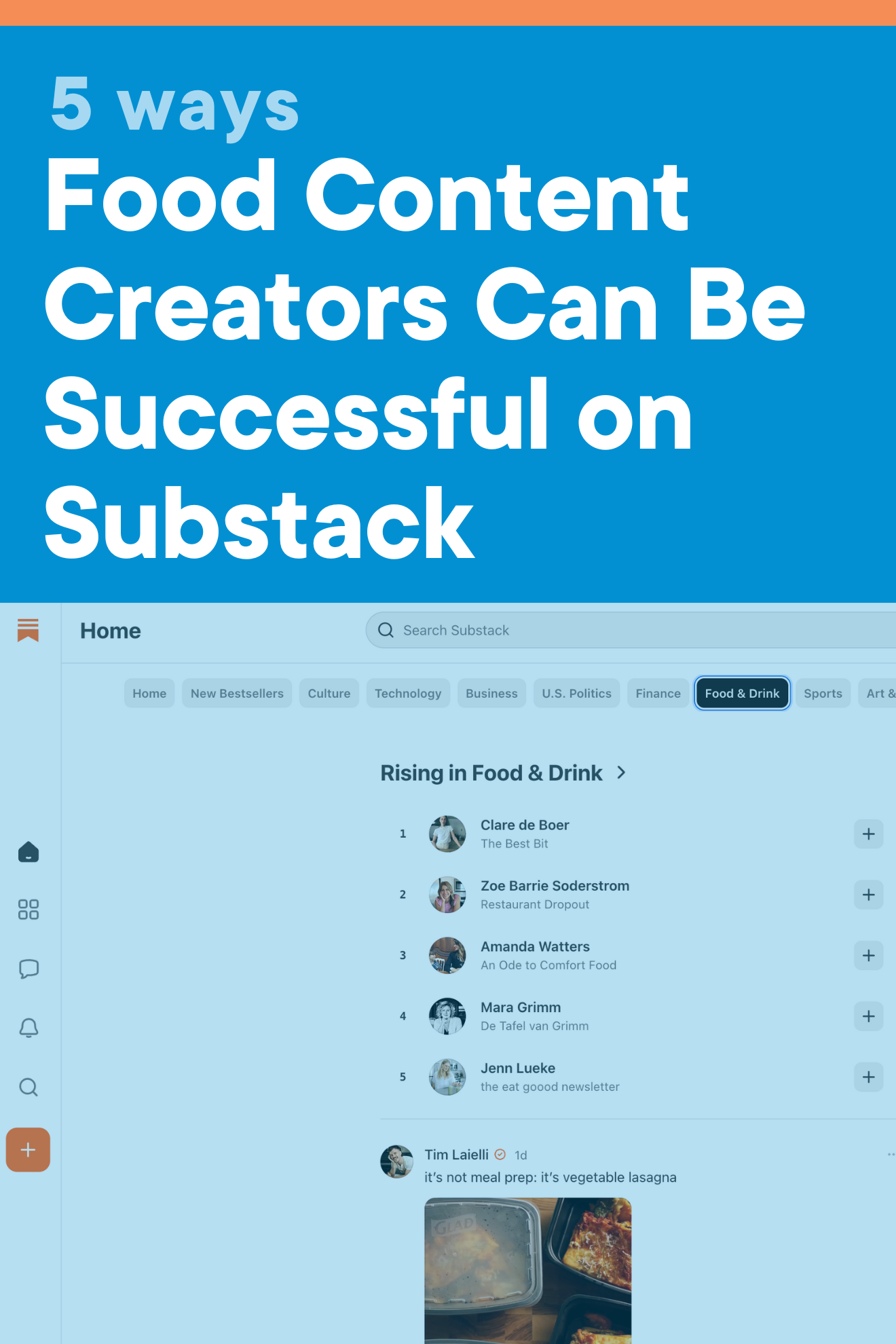
Substack is quickly becoming a favorite platform for food creators who want to build a newsletter-based business and connect more deeply with their audience.
Unlike traditional social platforms, Substack allows creators to own their email list, communicate directly with subscribers, and build a more loyal community without relying on algorithms. Plus, it also offers a alternative to SEO and ad-based monetization, making it perfect for those who don’t want to rely on blog traffic or search rankings to earn income.