
Today I wanted to walk through something I personally find so helpful when thinking about blog growth: traffic data over time.
We’re going to take a look at Pinch of Yum’s traffic breakdown in 2024 and compare it to traffic in 2026, so that we can talk about what can we actually learn from this data as food bloggers!
Now the goal isn’t to replicate someone else’s traffic sources exactly, but rather to understand the patterns, the shifts, and the why behind them so we can make smarter decisions for our own sites.
So let’s dig in!
Traffic Percentage Breakdown for Pinch of Yum
Here’s the comparison between March in 2024 and March in 2026 of traffic sources:
March 2026
- Search: 57.23%
- Direct: 9.84%
- Facebook: 6.42%
- Email: 6.76%
- Pinterest: 3.99%
- Instagram: 0.62%
March 2024
- Search: 61.17%
- Direct: 21.97%
- Facebook: 0.57%
- Email: 3.9%
- Pinterest: 6.33%
- Instagram: 1.25%
At a glance, it might feel like nothing too dramatic changed.
But when you actually look closely at it, there are some really important shifts happening, especially if you’re building or growing a food blog right now.
Traffic Is Less Concentrated
In 2024, traffic was heavily dominated by search and direct, which together made up over 80% of total traffic. That’s a very classic food blog pattern.
By 2026, things are more spread out. Search is still the leader, direct traffic drops significantly, while email and Facebook both grow. Overall, traffic is coming from more places.
This is the first big takeaway: your traffic will likely diversify over time, not narrow. That might feel overwhelming, but it actually creates more stability.
Curious to learn more about diversifying traffic?Search Still Leads, but It’s Not Everything
Search drops slightly from 61% to 57%, but it’s still the biggest source by far.
This reinforces something important: search is still the foundation of a food blog. People go to Google with clear intent, looking for things like easy dinners, banana bread, or meal prep ideas, and that intent is powerful.
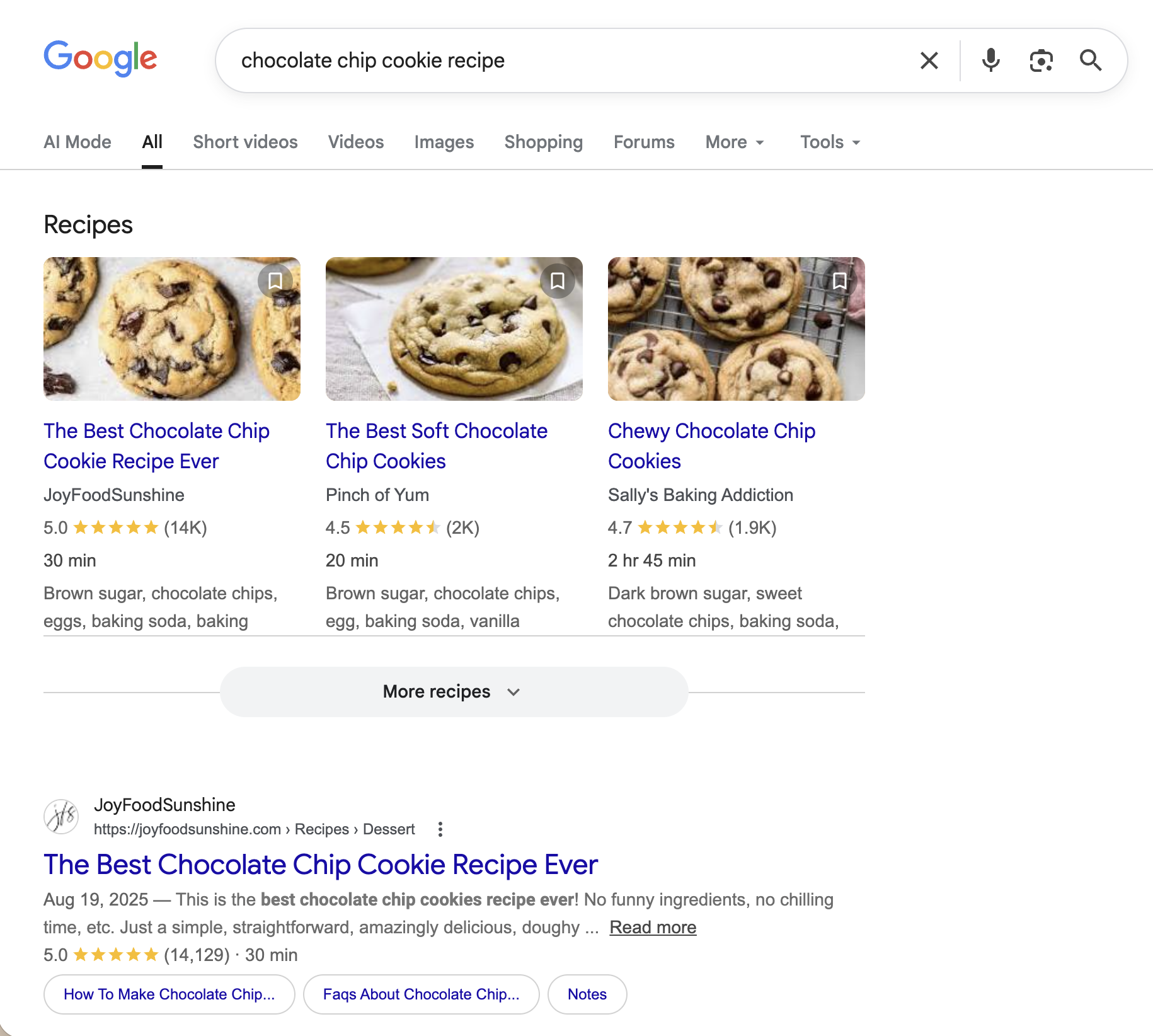
The small dip likely reflects increased competition, more content overall, and changes in search results like AI overviews.
So yes, search still matters deeply, but it’s no longer the only growth lever.
If you’re newer, it’s worth learning SEO early, focusing on helpful and specific recipes, and thinking carefully about what someone is actually searching for. At the same time, don’t assume search will carry everything forever.
The Drop in Direct Traffic
Direct traffic falls from 21.97% to 9.84%, which is the biggest shift in the data.
Direct traffic is usually tied to loyal readers, repeat visits, and brand recognition, so at first glance this might feel concerning. But it’s more likely that reader behavior has changed rather than loyalty disappearing.
Instead of typing in a URL, people are returning through email, rediscovering content through search, or coming back via social platforms. They’re still coming back, just through different paths.
The takeaway? You can’t rely on passive loyalty anymore. If you want readers to return, you need to actively create touchpoints, especially through email and social, rather than expecting them to navigate back on their own.
Email Is Quietly Becoming a Power Player
Email grows from 3.9% to 6.76%, nearly doubling.
This is one of the most important shifts in the report. Email stands out because you own your list, you control when you reach people, and you’re not dependent on an algorithm.
That growth likely reflects more intentional newsletters, stronger relationships with readers, and consistent communication.
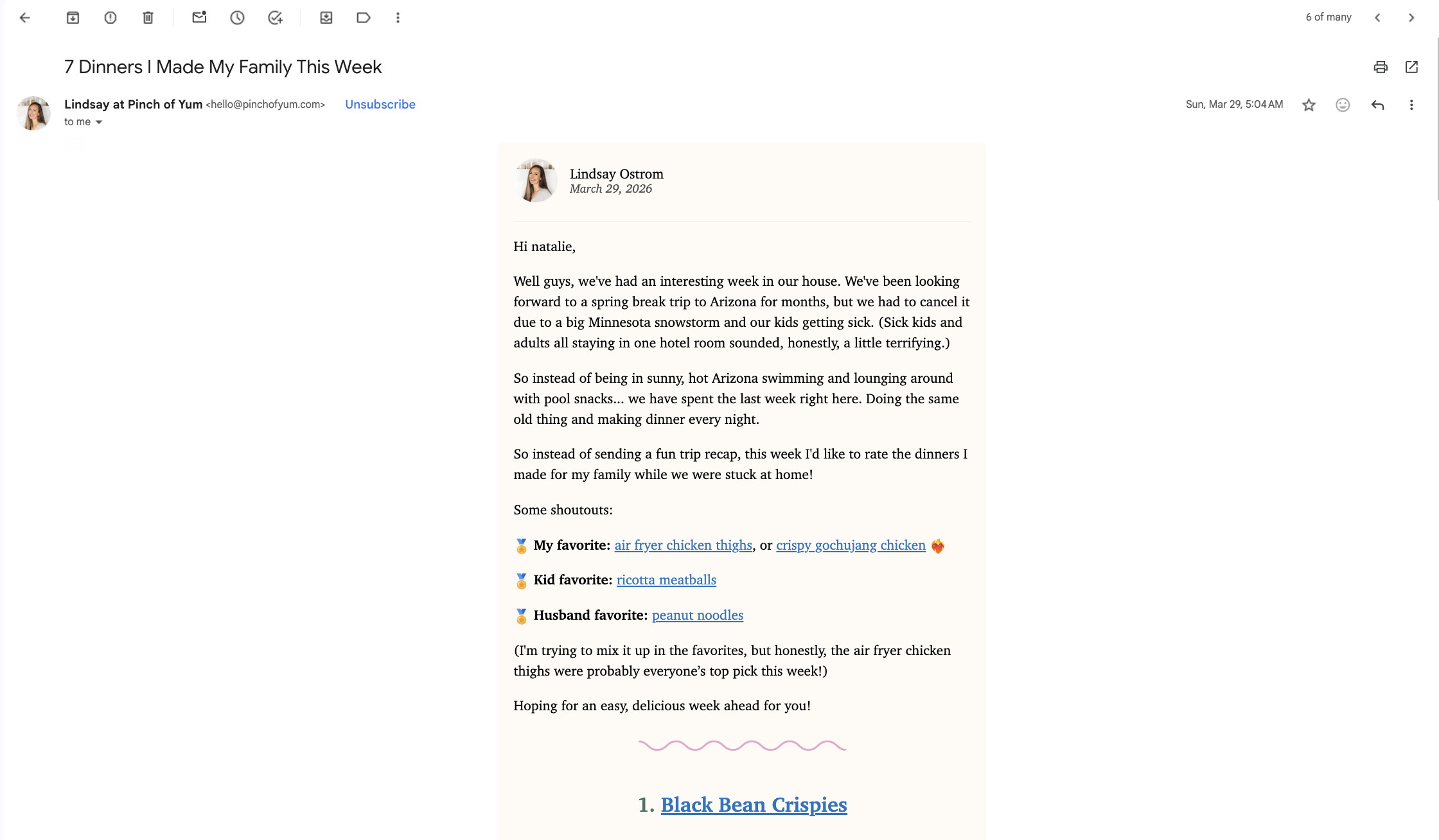
Not sure how to drive subscribers to your blog? You can read all about how to leverage your email inbox to drive traffic here.
If you’re building your blog right now, start your email list early. Even if you only have a handful of subscribers or you’re unsure what to send, it becomes one of your most valuable assets over time.
Facebook’s Unexpected Growth
Facebook jumps from 0.57% to 6.42%, which is a huge increase.
It’s not always the most exciting platform, but this is a great reminder that what’s trendy and what works aren’t always the same. Food content performs well on Facebook because it’s practical, shareable, and tied to everyday life.
You don’t need to go all in, but it’s worth testing. After years of putting Facebook on the back burner, Pinch of Yum started to prioritize the platform in Q4 of 2025 and has seen tremendous growth since that time (including an increase of almost 500K followers!). Just by posting more consistently (three times a day), they’ve been able to meaningfully increase traffic from Facebook to the blog, and take advantage of the Facebook monetization program.
Want to learn more about Facebook as a traffic source?Pinterest Is Still There, Just Smaller
Pinterest drops from 6.33% to 3.99%.
It hasn’t disappeared, but it’s no longer as dominant for many bloggers. It still works well for evergreen and seasonal content and can drive long-term traffic, but it’s better viewed as a supporting channel rather than your main strategy. And don’t forget — Pinterest still provides one of the highest RPMs of any traffic source.
Instagram Isn’t a Significant Traffic Driver (and That’s Fine)
Instagram declines from 1.25% to 0.62%.
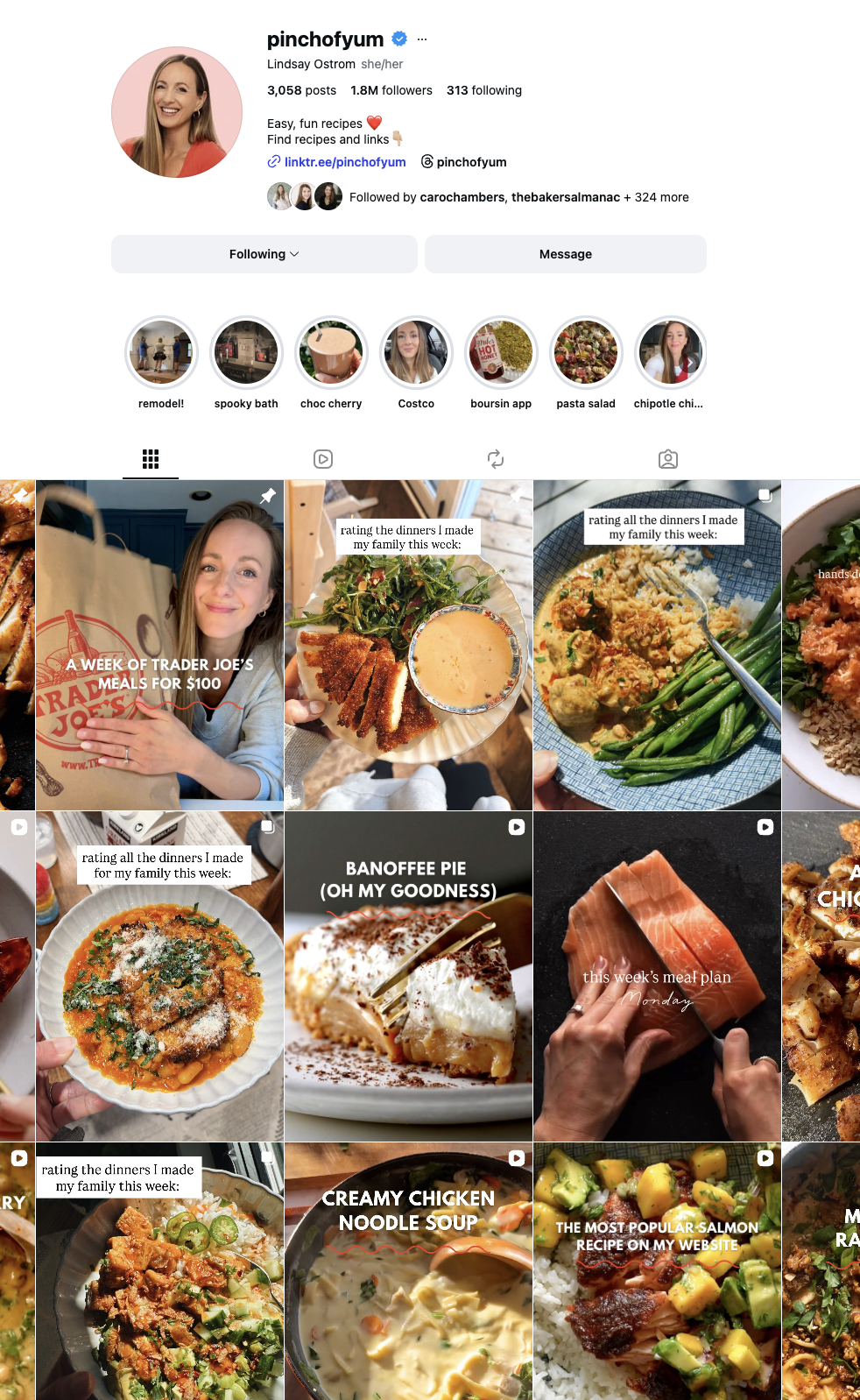
That’s expected. It’s not designed to send people off-platform (although Grocers List has helped with that!). But that doesn’t make it unimportant. Instagram plays a different role by helping you build your brand, connect with your audience, and create trust.
Many readers might discover you there first, even if they don’t click through right away.
What This Means for You
If you’re wondering how to actually apply this, it really comes down to a few key shifts:
Start by building your foundation with search. It’s still the most reliable way to bring in new people, so focus on recipes people are actively looking for and make sure your content is genuinely helpful when they find you.
At the same time, prioritize your email list early. It’s one of the only things you truly own. Even sending one thoughtful email a week adds up more than you think, and over time it becomes your most valuable channel.
Then there are the platforms that don’t feel as exciting but still work. Facebook is a great example. It may not be trendy, but it consistently drives traffic. The same goes for places like Reddit if it aligns with your content and audience.
Most importantly, think about your traffic like an ecosystem. Search brings new people in, email brings them back, and social helps them discover you in the first place.
When those pieces work together, everything grows faster and more sustainably!
We’d love to hear… what’s currently your biggest traffic driver? Is it search? Social? Let us know in the comments below!